
Your smile is too important to leave to chance. There are several Wichita tooth replacement options available, and selecting the one that fits your situation best can shape your oral health for many years ahead.
Dental Implants: A Lasting Solution for Missing Teeth
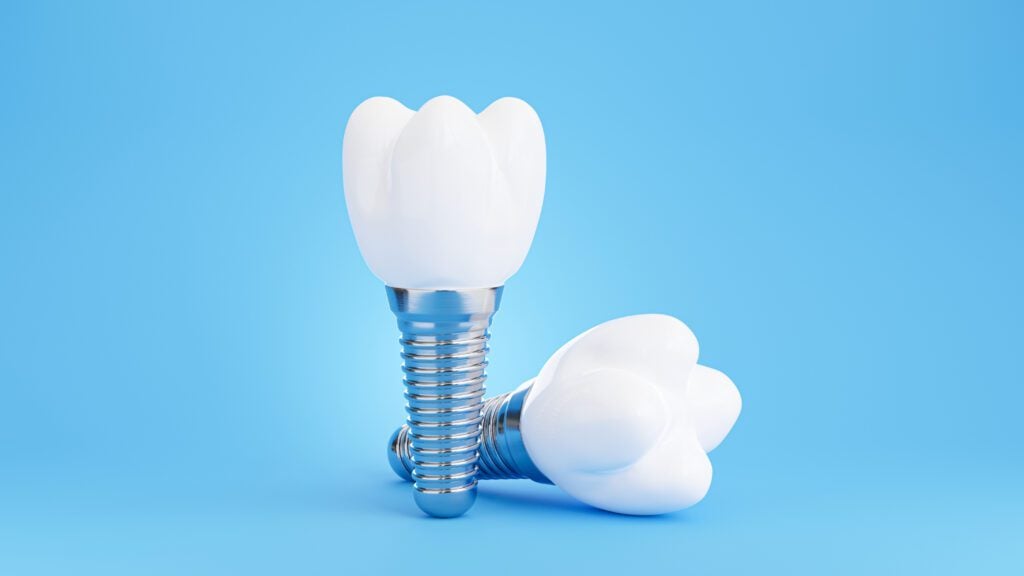
During the implant procedure, a small titanium post is carefully inserted into your jawbone, where it functions as an artificial tooth root in this Wichita tooth replacement option. A custom crown that blends naturally with your surrounding teeth is secured on top, leaving you with a complete and confident smile.
Who Are Implants For?
Anyone missing one or more teeth, or experiencing difficulty with ill-fitting dentures, may find implants to be an excellent fit. This solution is particularly well suited to those who want something durable and easy to manage over the long term.
The Benefits of This Wichita Tooth Replacement Option
- Natural look and feel that blends with your smile
- Improved chewing and everyday comfort
- Preserved jawbone health over time
- Easy care, just brush and floss as normal
How It Works
Picture a fence post driven firmly into the earth, with a picket secured on top. The implant works in much the same way, anchoring into your jawbone before a crown is affixed above it. After placement, the implant is given several weeks to integrate naturally with the surrounding bone. Once that bond is established, your personalized crown is attached to complete the restoration.
Local anesthesia keeps the experience comfortable for the vast majority of patients. As healing progresses, most people notice meaningful improvements in both function and self-assurance.
Comparing Wichita Tooth Replacement Options: Bridge or Implant?
Dental bridges and dental implants are the two most widely used approaches for replacing a missing tooth. While both options can give you back a full smile, their methods and long-term outcomes differ considerably. Taking the time to understand those differences puts you in a stronger position to choose what is best for your oral health.
Here is a quick look at how each option compares:
- Dental bridges rely on neighboring teeth for support and are a faster, often more affordable solution
- Dental implants are surgically placed into the jawbone, acting as a permanent root replacement
- Bone health is better preserved with implants, since bridges do not prevent bone loss
- Longevity tends to favor implants, which can last a lifetime with proper care
- Cost and timeline are typically lower and shorter for bridges, making them appealing for some patients
| Feature | Dental Implant | Dental Bridge |
|---|---|---|
| Support Structure | Anchored directly into the jawbone | Relies on neighboring teeth for support |
| Bone Health | Preserves jawbone over time | Does not prevent bone loss |
| Longevity | Can last a lifetime with proper care | Typically lasts 10–15 years |
| Treatment Timeline | Several months including healing time | Usually completed in a few weeks |
| Cost | Higher upfront investment | Generally more affordable initially |
| Impact on Surrounding Teeth | No alteration to neighboring teeth | Requires reshaping of adjacent teeth |
| Maintenance | Brush and floss as normal | Requires special flossing under the bridge |
Your jawbone health, financial considerations, and personal priorities all play a role in determining the best path forward. Our team is glad to review both choices with you in detail, so you can move ahead with confidence. You can also learn more about our financial information to help plan for your treatment.
Dental Implants at 316 Dental
316 Dental is proud to provide dental implants as part of our commitment to giving patients a tooth replacement that looks, feels, and functions like a natural tooth. Every patient deserves a solution built to last.
From sharing a meal to holding a conversation, implants help make those everyday moments feel natural and comfortable again. Designed to stand the test of time with consistent care, they represent a meaningful investment in your well-being.
Improving your quality of life through dependable dental care is something we take seriously at 316 Dental. Our team is ready to support you through every stage of the implant process, from your first question to your final appointment.
What Patients Are Saying
Patients consistently praise 316 Dental for their welcoming, judgment-free environment. Dr. AJ is known for genuine follow-up calls after major work, while hygienist Elder and staff members like Kaitlyn, Courtney, and LaToya are frequently celebrated for their exceptional kindness. Many anxious first-timers, including patients on the autism spectrum, say they will never go anywhere else.
When it comes to important decisions like choosing between implants and dentures, having a trusted dental team makes all the difference. One testimonial captures this perfectly, highlighting Dr. AJ’s ability to care for patients across all walks of life.
Rating: 5/5 stars
“Whatever your needs are you will be able to fill them here and be glad you did, including making the difficult decision of whether to go with implants or dentures.” Read their full story
Frequently Asked Questions About Tooth Replacement in Wichita
What is a dental implant and how does it work in Wichita?
A titanium post, small in size, is placed directly into the jawbone to serve as an artificial root for your missing tooth. Over the following weeks, the post bonds with the surrounding bone before a custom crown is secured on top to finish the restoration. Throughout the entire procedure at 316 Dental, local anesthesia is used to keep patients relaxed and at ease.
How long do dental implants last compared to dental bridges?
When maintained properly, dental implants have the potential to last a lifetime. Dental bridges, by comparison, generally remain functional for around 10 to 15 years. Another advantage implants hold over bridges is their ability to protect and maintain jawbone density over time, which makes them a more valuable long-term investment in your oral health.
Do dental implants affect the teeth next to them?
Implants are entirely self-supporting and do not require any modification to the teeth around them. Bridges work differently, as the adjacent teeth must be reshaped in order to bear the structure’s weight. Because implants are rooted directly in the jawbone, every neighboring tooth remains completely untouched.
How do you care for dental implants after getting them?
Maintaining an implant does not require any special routine beyond your regular brushing and flossing habits. Bridges, however, call for a more involved flossing approach, as the area beneath the bridge must be cleaned with particular care. For most patients, implants are simply the easier option to keep clean day to day.
Are dental implants a good option if you are unhappy with your dentures?
Implants are frequently recommended for patients who find their dentures painful or poorly fitting. At 316 Dental, we help patients explore low-maintenance, long-lasting alternatives that restore a natural appearance and make eating and speaking feel effortless again. For some patients, implant-retained dentures may also be worth considering as a middle-ground solution. You can learn more about implant dentistry and gum health from the American Academy of Periodontology.
Ready to Explore Dental Implants?
Finding the right Wichita tooth replacement options for your lifestyle is exactly what our team at 316 Dental is here to help with. Reach out by phone or schedule online to start a conversation about whether a dental implant is the right fit for your smile.
